Yes. Custom furniture manufacturers can handle furniture projects for hotels, restaurants, clubs, cafés, offices, and other commercial spaces, especially when the project requires customized dimensions, coordinated materials, repeated production, and consistent quality across multiple furniture categories.
Commercial furniture projects are different from standard residential orders. They usually involve larger quantities, more complicated schedules, specific functional requirements, and closer coordination between designers, contractors, owners, and manufacturers.
1. What Types of Commercial Furniture Projects Can Be Handled?
Commercial projects may include:
- Hotels
- Restaurants
- Cafés
- Clubs
- Resorts
- Offices
- Showrooms
- Retail spaces
- Serviced apartments
- Guesthouses and boutique hospitality projects
Depending on the project, the furniture scope may include both loose furniture and customized built-in pieces.
Common products include:
- Dining tables
- Dining chairs
- Bar tables
- Bar stools
- Sofas
- Lounge chairs
- Coffee tables
- Side tables
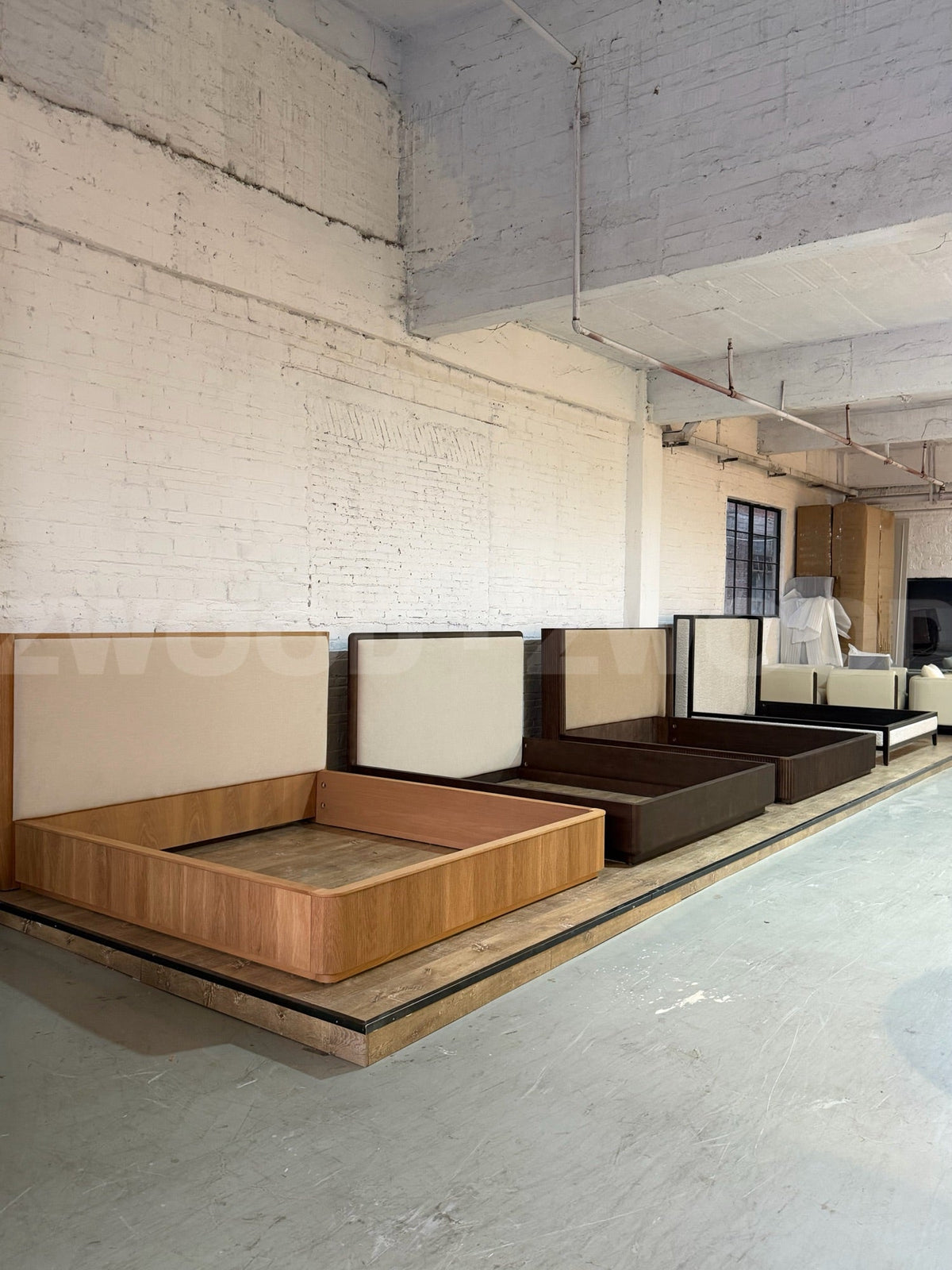
- Beds
- Nightstands
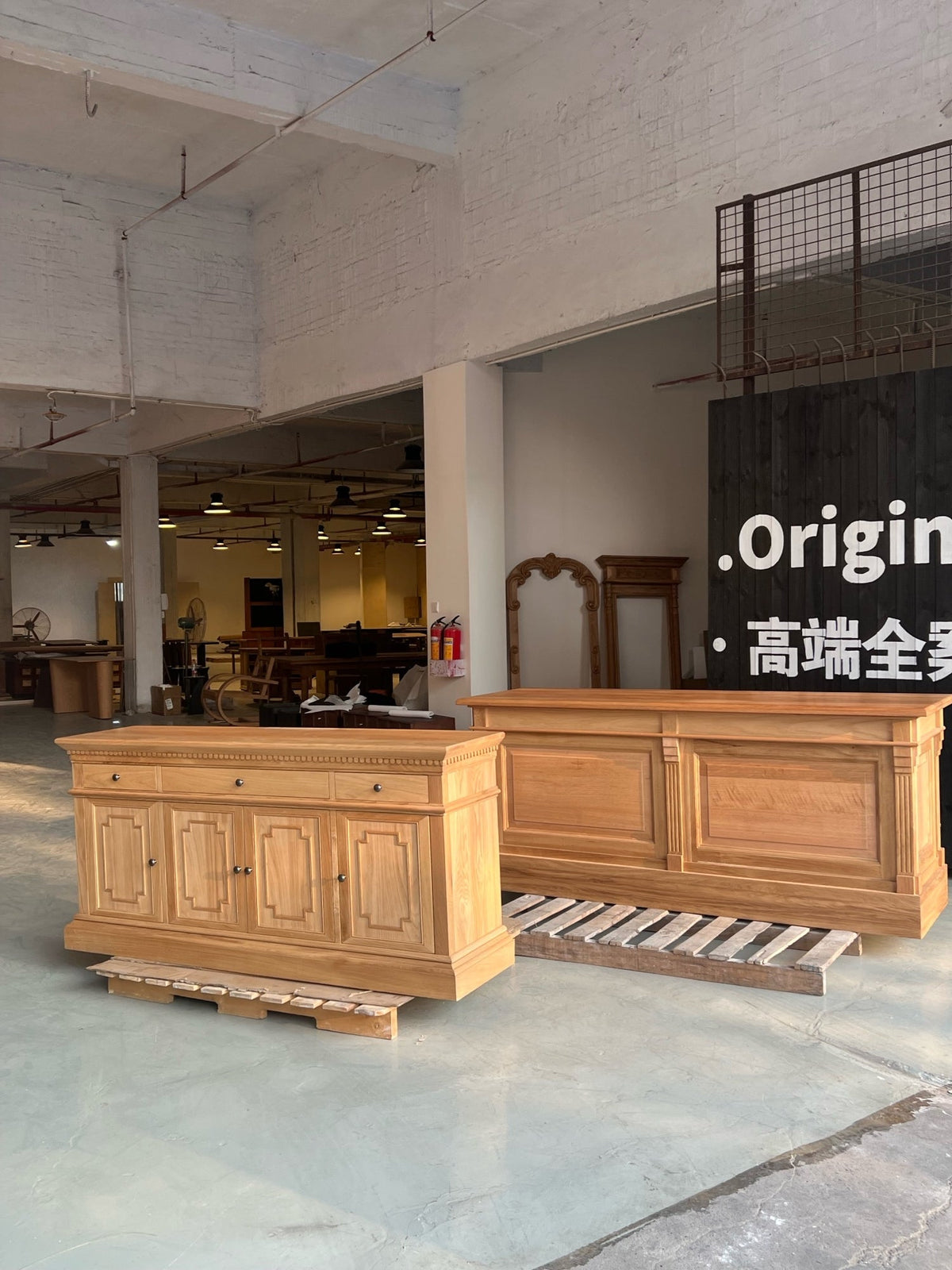
- Cabinets
- Reception furniture
- Storage furniture
- Custom decorative furniture
2. Commercial Projects Usually Start with Drawings or a Furniture Schedule
For hotel, restaurant, or commercial projects, the first step is usually to review the project information.
Useful documents include:
- Floor plans
- Furniture schedules
- CAD drawings
- 3D renderings
- Product reference images
- Material specifications
- Quantity lists
These documents help the manufacturer understand the complete project scope and provide a more accurate quotation.
If some details are still incomplete, the manufacturer can review the available information first and identify what needs to be confirmed before production.
3. Custom Dimensions and Materials Can Be Developed for the Project
Commercial spaces often require furniture that fits specific layouts.
For example, a restaurant may need dining tables designed around seat capacity and aisle width, while a hotel may require beds, nightstands, desks, and cabinets in dimensions that match each room type.
Customization can include:
- Dimensions
- Wood species
- Veneer
- Upholstery
- Stone
- Metal finishes
- Paint colors
- Hardware
- Functional details
This allows the furniture to follow the interior design concept instead of forcing the designer to work around standard retail sizes.
4. Material Selection Must Consider Commercial Use
Furniture used in hotels and restaurants often needs to handle higher usage than residential furniture.
Material selection should consider:
- Durability
- Cleaning requirements
- Maintenance
- Structural stability
- Surface resistance
- Long-term appearance
For example, a restaurant dining table may require a finish that is easier to maintain, while hotel furniture may need stronger structures and more consistent finishes across repeated pieces.
The final material solution should balance design, budget, and actual usage.
5. Sample Confirmation Is Important for Larger Projects
For larger commercial projects, confirming a sample before mass production can reduce risk.
A sample can be used to check:
- Dimensions
- Comfort
- Color
- Wood grain
- Upholstery
- Hardware
- Construction
- Surface finish
Once the sample is approved, the factory can follow the confirmed standard for batch production.
This is especially useful when dozens or hundreds of similar pieces are required.
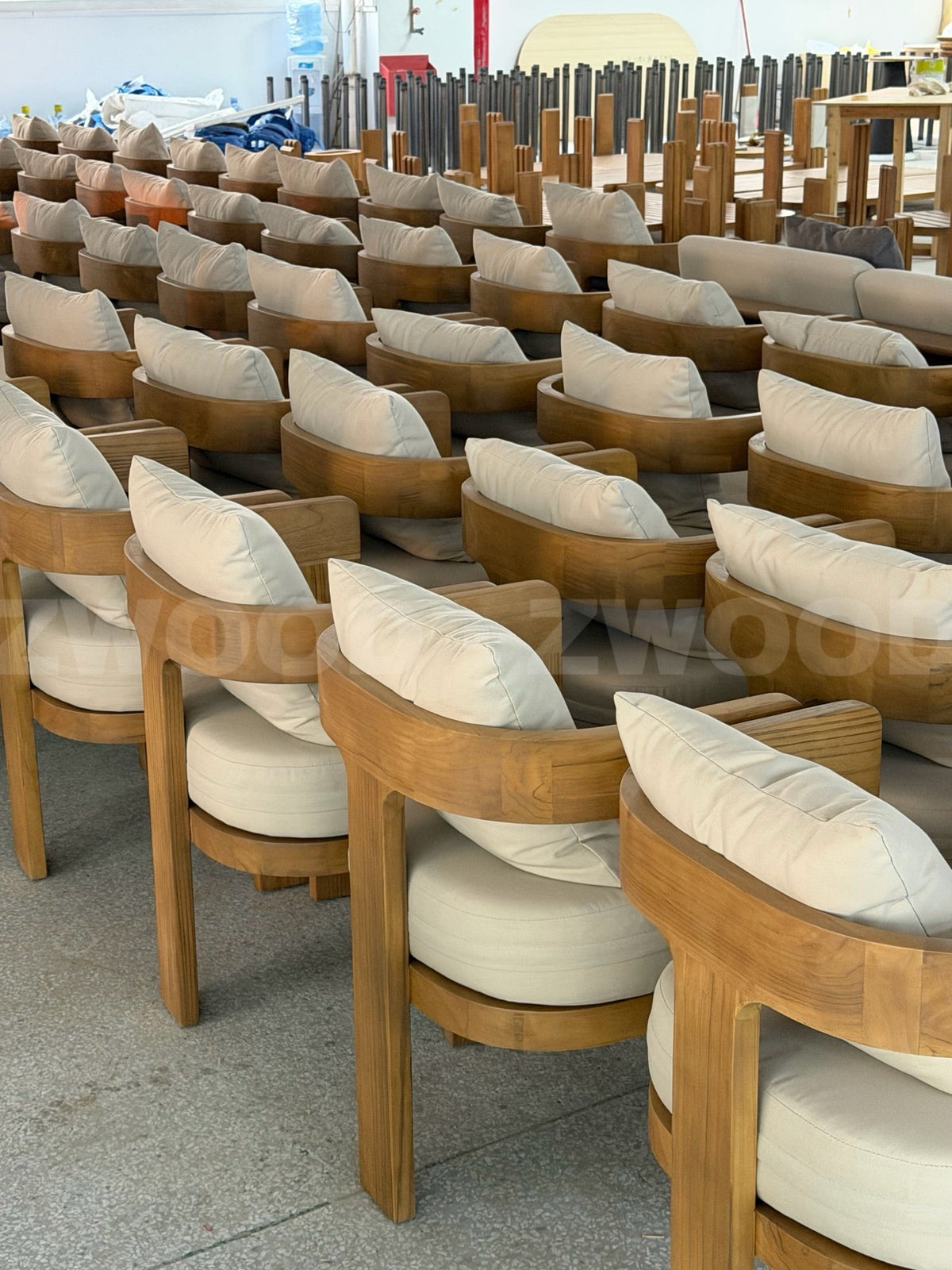
6. Batch Production Requires Consistency
One of the most important requirements in commercial furniture manufacturing is consistency.
If a restaurant requires 50 dining chairs or a hotel needs furniture for multiple rooms, the finished products should maintain consistent:
- Dimensions
- Colors
- Materials
- Upholstery
- Hardware
- Finishes
Production planning and quality control are therefore especially important for commercial projects.
7. Project Scheduling Needs to Be Confirmed Early
Commercial projects often have fixed opening or installation dates.
The furniture production schedule should therefore be coordinated with:
- Interior construction
- Site completion
- Installation
- Shipping
- Project opening
Before production begins, it is important to confirm the expected delivery date and work backward to arrange drawings, material confirmation, manufacturing, inspection, packaging, and shipping.
8. Quality Inspection Before Shipping
Before commercial furniture leaves the factory, the project should be inspected according to the confirmed specifications.
Inspection may include:
- Product quantity
- Dimensions
- Structure
- Color
- Surface finish
- Upholstery
- Hardware
- Packaging
For overseas clients, inspection photos and videos can also help confirm the final result before shipment.
9. International Shipping Can Be Coordinated for Commercial Projects
For overseas hotels, restaurants, and commercial spaces, shipping is part of the project planning.
The delivery process may include:
- Export packaging
- Volume calculation
- Ocean freight
- Customs-related coordination
- Door-to-door delivery
For larger projects, furniture can also be organized and labeled by room, area, or product code to make receiving and installation easier.
10. Why Work Directly with a Custom Furniture Manufacturer?
Commercial furniture projects involve many details, so direct cooperation with an experienced manufacturer can improve efficiency.
The manufacturer can support:
- Quotation
- Drawing review
- Material selection
- Product development
- Sample production
- Batch manufacturing
- Quality control
- Packaging
- International delivery
For designers, developers, and commercial project owners, this creates a clearer process from the initial furniture list to final delivery.
Conclusion
Yes, furniture projects for hotels, restaurants, and commercial spaces can be handled through customized manufacturing.
The key is to provide clear project information, confirm materials and specifications early, and work with a manufacturer that understands project-based production.
For commercial projects, good coordination between design, production, quality control, and delivery is especially important. A structured process helps ensure that the final furniture matches the design requirements while meeting the project schedule and quantity needs.