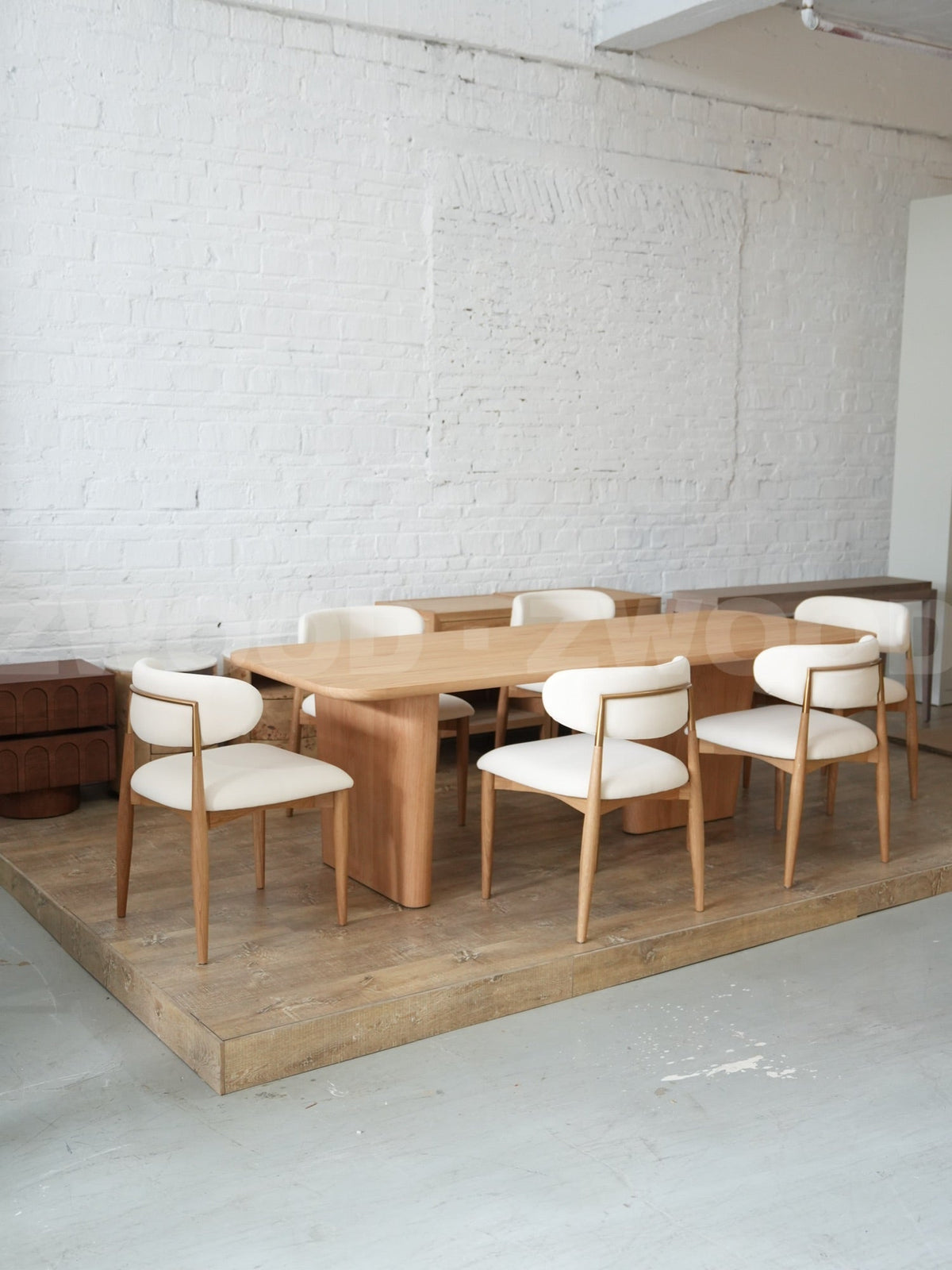
Many homeowners, interior designers, and buyers often find furniture they love from websites, magazines, hotels, or social media. However, they may not know where to purchase the exact piece or may want to modify the design to better fit their own space.
A common question is: Can a furniture factory manufacture furniture from a photo?
The answer is yes. Experienced custom furniture manufacturers can use photos as design references to develop customized furniture. However, creating high-quality furniture from an image requires professional evaluation, technical experience, and detailed communication.
What Can a Furniture Factory Understand from a Photo?
A product photo can provide important design information, including:
- Overall style
- Shape and proportions
- Material appearance
- Color direction
- Decorative details
- Structural features
For example, a manufacturer can analyze a dining table photo to understand:
- Tabletop shape
- Leg design
- Edge details
- Surface finish
- Overall design style
However, some details cannot be confirmed from a photo alone, such as internal structure, exact dimensions, material thickness, and production methods.
What Additional Information Does the Factory Need?
To create an accurate quotation and production plan, buyers should provide more details besides photos.
1. Product Dimensions
Dimensions are essential for customized furniture production.
Important information includes:
- Length
- Width
- Height
- Thickness
- Functional dimensions
A small size difference can significantly affect material usage and production cost.
2. Material Requirements
The same design can have very different prices depending on materials.
Common options include:
- Solid wood
- Veneer
- Metal
- Marble
- Glass
- Fabric or leather upholstery
For example, a dining table made with solid walnut will have a different cost compared with the same design made with oak veneer.
3. Functional Requirements
Some furniture designs include additional functions.
Examples:
- Storage space
- Cable management
- Extendable mechanisms
- Lighting systems
- Custom hardware
These details should be confirmed before production begins.
4. Quantity and Project Information
The factory should know whether the request is:
- One custom furniture piece
- Multiple pieces
- A complete home project
- A commercial project
Larger projects may require different production planning and material preparation.
How Does a Factory Turn a Photo into Real Furniture?
The typical customization process includes several steps.
Step 1: Design Analysis
The manufacturer reviews:
- Reference images
- Design style
- Required dimensions
- Material preferences
The team evaluates whether the design can be produced and suggests suitable solutions.
Step 2: Technical Development
Before production, the factory may create:
- CAD drawings
- Structural details
- Material specifications
- Production plans
This ensures the final furniture matches the expected design.
Step 3: Material Selection and Confirmation
The manufacturer confirms:
- Wood species
- Color samples
- Surface finishing
- Hardware details
This stage is important because materials strongly influence the final appearance.
Step 4: Production and Quality Inspection
After approval, the furniture enters production.
The process may include:
- Material preparation
- Wood processing
- Assembly
- Sanding
- Finishing
- Final inspection
Professional quality control helps ensure the finished product meets the original design requirements.
Can a Factory Make an Exact Copy from a Photo?
A photo can be a strong reference, but it does not always provide enough information for a 100% identical reproduction.
Factors that may affect the final result include:
- Unknown materials
- Hidden structures
- Different production techniques
- Original design details that are not visible
A professional manufacturer can usually achieve a highly similar appearance while optimizing the structure, materials, and production methods for practical manufacturing.
Why Choose a Custom Furniture Manufacturer Instead of Ready-Made Furniture?
Working with a custom furniture manufacturer provides more flexibility.
Benefits include:
- Customized dimensions
- Material choices
- Design adjustments
- Color matching
- Project coordination
This is especially valuable for:
- Luxury residential projects
- Interior designers
- Hospitality spaces
- Whole-home furniture solutions
Conclusion
A furniture factory can manufacture furniture from a photo, but successful customization requires more than simply copying an image. Accurate dimensions, material selection, technical development, and professional production experience are essential for achieving the desired result.
By working with an experienced custom furniture manufacturer, homeowners and designers can transform inspiration images into unique furniture pieces that fit their spaces and design concepts.