Buying custom furniture from China no longer requires an in-person factory visit. With clear communication, detailed drawings, material samples, production updates, and professional quality inspection, overseas homeowners, designers, and retailers can complete an entire furniture project remotely.
The key is not simply finding the lowest price. It is choosing a supplier with a clear process for confirming every detail before production begins.
1. Prepare Your Project Information
Before contacting a furniture manufacturer, organize the basic information about your project.
This may include:
- Floor plans or room dimensions
- Furniture quantity and approximate sizes
- Reference images
- Preferred wood species and finishes
- Fabric or leather preferences
- Delivery country and city
- Expected completion date
- Estimated budget range
You do not need to prepare perfect technical drawings at the beginning. Reference images, hand sketches, and room measurements are usually enough for the manufacturer to understand the initial direction.
However, the more complete the information is, the more accurate the quotation will be.
2. Choose a Manufacturer with Custom Production Experience
Not every furniture supplier is suitable for custom projects.
Some companies mainly sell standard products and only allow small changes in color or size. A true custom furniture manufacturer should be able to support changes to:
- Dimensions
- Wood species
- Veneers
- Finishes
- Upholstery
- Internal structures
- Hardware
- Design details
Ask the supplier whether they can produce furniture from floor plans, technical drawings, sketches, or reference images.
You should also check whether they have experience producing complete furniture collections rather than only individual pieces.
For whole-home and villa projects, it is helpful to work with one team that can coordinate solid wood furniture, upholstered pieces, stone, metal, and other materials.
3. Confirm the Quotation in Detail
A furniture quotation should include more than a product name and total price.
Before placing an order, confirm:
- Product dimensions
- Material specifications
- Wood species or veneer
- Fabric or leather grade
- Finish and color
- Hardware
- Quantity
- Packaging method
- Production lead time
- Shipping terms
- Payment terms
Avoid comparing quotations only by price.
Two products may look similar in a reference image but use completely different materials, construction methods, wood thicknesses, fabrics, or internal frames.
A detailed quotation reduces misunderstandings later in the project.
4. Approve Technical Drawings Before Production
Technical drawings are one of the most important parts of remote furniture purchasing.
Before production begins, the manufacturer should confirm important details such as:
- Overall dimensions
- Seat height and depth
- Tabletop thickness
- Drawer and door structure
- Leg dimensions
- Curves and edge details
- Hardware positions
- Upholstery proportions
- Assembly methods
For custom furniture, verbal confirmation alone is not enough.
Technical drawings allow both the client and the factory to confirm the same information before materials are cut.
For whole-home projects, it is better to review and approve each furniture item individually.
5. Confirm Materials and Finishes with Samples
Colors can look different on computer screens, mobile phones, and factory photographs.
For this reason, important materials should be confirmed through physical samples whenever possible.
Common samples include:
- Wood color samples
- Paint or stain samples
- Veneer samples
- Fabric swatches
- Leather samples
- Metal finish samples
- Stone samples
The factory can usually send samples by international courier.
When reviewing a wood finish, check it under both natural and indoor lighting. Wood is a natural material, so grain and color variation should also be expected.
For upholstered furniture, confirm not only the color but also the texture, durability, and cleaning requirements of the fabric.
6. Follow the Production Process Remotely
You do not need to visit the factory, but you should still receive regular production updates.
Ask the manufacturer to provide photographs or videos at key stages, such as:
- Material preparation
- Wooden frame production
- White-body furniture inspection
- Wood color and finishing
- Upholstery
- Final assembly
- Pre-shipment inspection
- Packaging and container loading
These updates help identify problems before the furniture is completed.
For example, it is much easier to correct the shape of a wooden frame before painting and upholstery than after the product is fully finished.
A reliable supplier should not only show the final product. They should be willing to document the important production stages.
7. Arrange a Pre-Shipment Quality Inspection
Final inspection is essential when purchasing furniture remotely.
The inspection should check:
- Dimensions
- Materials
- Colors
- Finishes
- Stability
- Drawers and doors
- Upholstery
- Hardware
- Surface damage
- Product quantity
- Packaging
Photographs and videos should be provided before the final payment and shipment.
For larger projects, clients may also appoint an independent third-party inspection company.
However, the manufacturer should still complete its own internal inspection before inviting an external inspector.
8. Plan Packaging and International Shipping
Furniture requires stronger packaging than many ordinary products.
Before shipping, confirm whether the furniture will use:
- Foam protection
- Corner protection
- Cartons
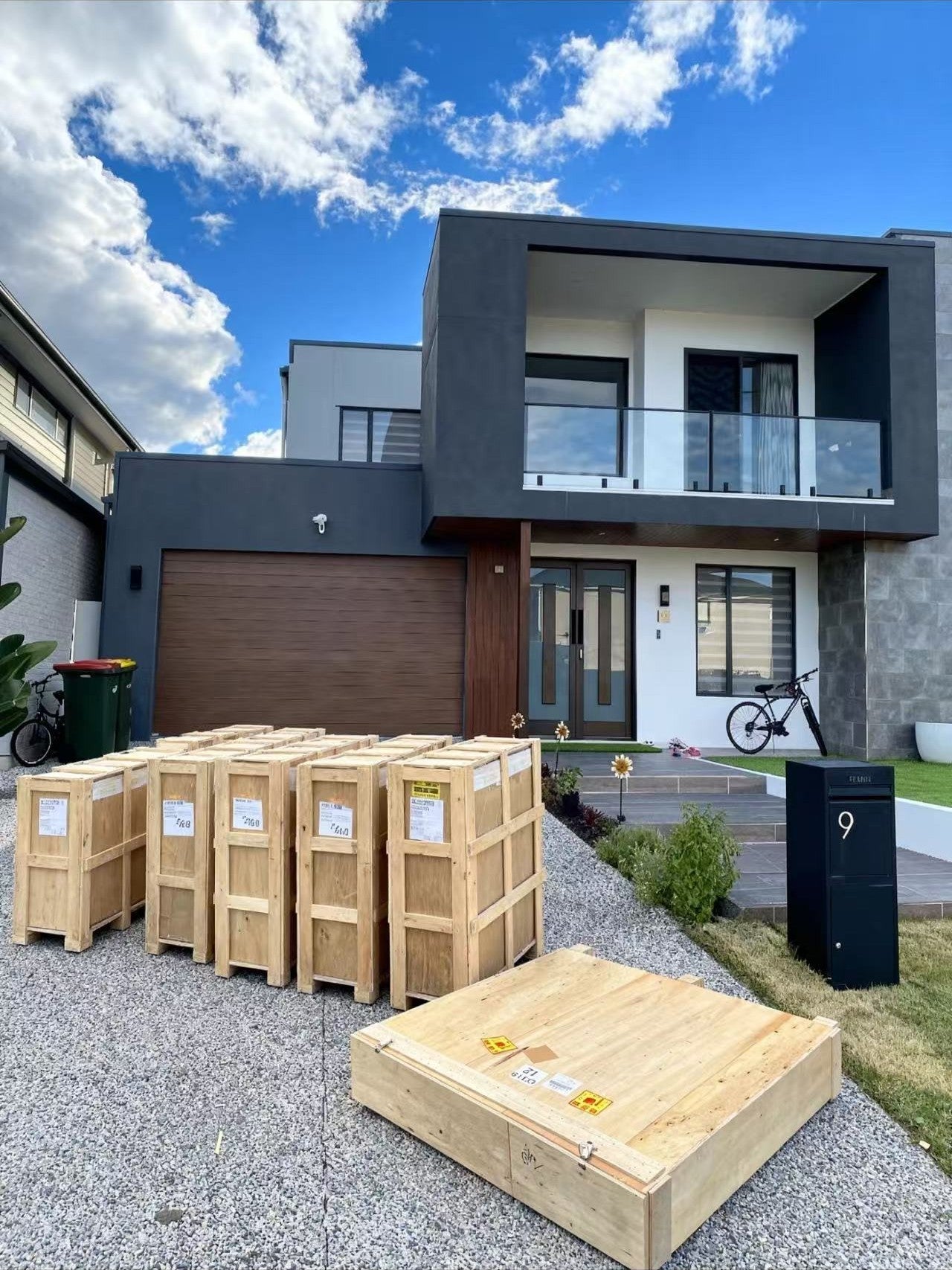
- Wooden crates
- Plywood boxes
- Moisture protection
- Reinforced export packaging
The correct method depends on the product type and shipping route.
Stone tables, glass products, large cabinets, and delicate furniture may require reinforced wooden packaging.
You should also confirm the shipping terms clearly.
Common options include:
Port-to-Port Shipping
The supplier ships the goods to your nearest port, while you arrange customs clearance and local delivery.
Door-to-Door Shipping
The shipping company manages most of the transportation process and delivers the furniture to your address.
DDP Shipping
DDP normally includes international shipping, customs clearance, duties, and delivery to the agreed destination. The exact scope should always be confirmed in writing.
Before shipment, provide the correct delivery address, postal code, access conditions, and information about stairs, elevators, or narrow entrances.
Large furniture may require local movers or installers after delivery.
9. Use a Clear Payment Schedule
Custom furniture orders commonly use staged payments.
A typical structure may include:
- Deposit before drawings and production
- Balance payment after inspection and before shipping
The exact payment terms depend on the supplier and project size.
Before making a payment, confirm:
- Company name
- Bank account details
- Proforma invoice
- Product list
- Payment schedule
- Refund and cancellation terms
- Responsibility for design changes
Payments should be made to the official company account listed on the invoice or contract.
Common Mistakes to Avoid
The most common mistake is placing an order based only on attractive product images.
Other risks include:
- Choosing a supplier based only on the lowest price
- Starting production without drawings
- Confirming colors only through photographs
- Changing dimensions after production begins
- Ignoring packaging requirements
- Failing to arrange inspection
- Not confirming shipping and customs costs
- Working with too many suppliers without one project coordinator
Remote purchasing can work very well, but every decision should be documented clearly.
Can You Furnish a Whole Home Remotely?
Yes.
A complete home furniture project can be managed remotely when the process includes:
- Project requirement review
- Furniture selection
- Custom quotation
- Technical drawings
- Material samples
- Production updates
- Quality inspection
- Export packaging
- International shipping
The client does not need to be physically present at the factory. What matters is having a supplier that can manage the details and provide clear documentation throughout the project.
Work with Zwood
Zwood is a custom furniture manufacturer based in Foshan, China. We produce solid wood, veneer, and upholstered furniture for homeowners, interior designers, retailers, and commercial projects worldwide.
Our team supports the process from drawings and material confirmation to production, inspection, packaging, and international delivery.
Planning a Custom Furniture Project?
Send us your floor plan, furniture list, reference images, and destination country. Our team will review your requirements and provide a preliminary quotation and production proposal.